How AI Is Emboldening a New Generation of Ragnarok Creators
How Ragnarok’s community rebuilt its servers and clients, and how AI is helping a new wave of creators offer different ways to explore Midgard.

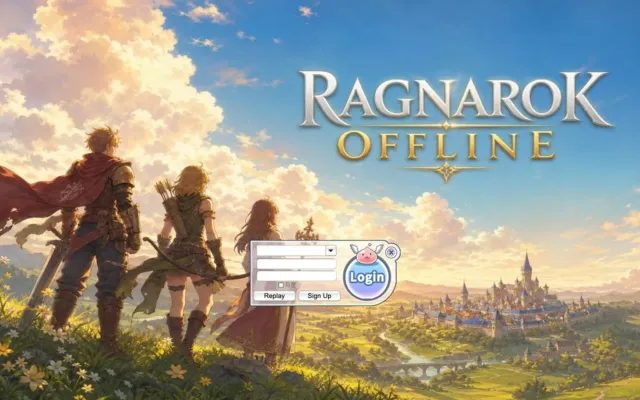
Ragnarok Online has become more than the game its publisher operates. For years, players have maintained alternative servers, rebuilt parts of its software and adapted Midgard to their own preferences. That work has given the community ways to keep playing when an official service closes, revisit an earlier version of the game or create experiences its original developers never offered.
AI coding tools are now helping another wave of creators build on that foundation. Their projects range from an application that packages a personal Ragnarok server to survival games that give familiar maps, monsters and skills a different purpose. The creators describe different uses of AI, but each project depends on both their direction and years of community engineering.
To understand this new wave, it helps to trace how players gained the ability to reshape Ragnarok in the first place. We’ll look at the closures and monetisation decisions that weakened players’ trust, the community software that made alternative ways to play possible, and three projects whose creators are using AI to explore what Midgard could become.
Losing Progress and Trust
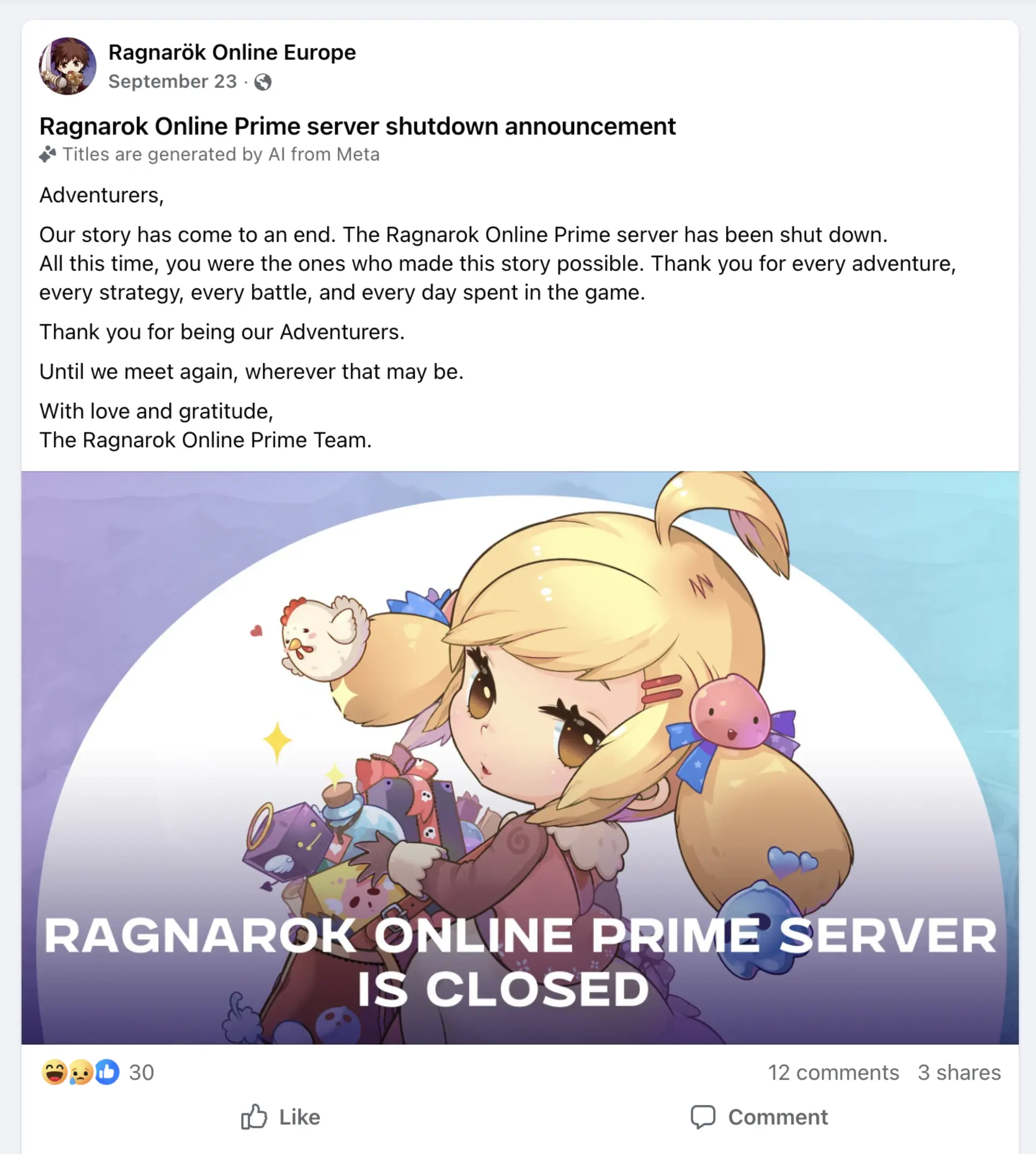
The Stop Killing Games campaign has brought renewed attention to what players lose when publishers withdraw support, with its associated European Citizens’ Initiative gathering approximately 1.29 million verified signatures. For Ragnarok players, however, losing access to years of progress was already a reality in 2013, when Game Flier’s official service for Malaysia and Singapore closed. Players were directed to the international service, but the closure notice, preserved in contemporary community posts, stated that their characters, items, skills and remaining cash points could not be transferred. Continuing on the international servers therefore meant starting again, leaving the characters and possessions accumulated on their former service behind. The game remained available elsewhere, but that offered little continuity for players whose investment was tied to the world being closed.
Aggressive monetisation created another source of friction, particularly when desirable equipment was distributed through loot boxes. As an example, in June 2017, an international Ragnarok player posting as ZhaoLi said they would willingly pay around US$50 for a Mob Scarf, but objected to gambling on boxes to obtain it. The underlying concern remains relevant today with the international service’s September 2026 Kachua rewards, which list several pieces of equipment at individual drop probabilities of just 0.19%.
These incidents give dissatisfied players reasons to question whether Gravity and its regional operators can be trusted to protect the time and money they invest in Ragnarok. Further Ragnarok releases do little to resolve those concerns, as the survival of each of these initiative is tied to their unique commercial success. All of this only fuel a community desire for alternative ways to play the game.
How the Community Rebuilt Midgard
Running a Ragnarok Online game requires three components: a server, a client and the game assets. The server stores characters and their possessions and enforces the rules of Midgard, the world of Ragnarok. When a player attacks a monster, the client sends that action to the server, which determines whether the attack lands, how much damage it deals and whether the character earns experience. The client presents the result on the player’s computer, drawing on assets such as the map, the monster’s sprite, the attack animation and its accompanying sound. This division gave early emulator developers a practical starting point. Gravity’s client could already present the world to the player if another server could understand its requests and respond as it expected.
Recreating the Ragnarok Server
By the early 2000s, community developers were studying the messages exchanged between client and server and writing software that could reproduce those exchanges. One of the projects to emerge from the Japanese community was Athena, often called jAthena. An effort to translate it for English-speaking developers grew into eAthena, which developed features of its own and eventually gave rise to rAthena. Network traffic could reveal what the client expected to receive when a player logged in, but reproducing a conversation with an NPC, a sequence of quest events or a monster’s item drops required more detailed knowledge of the game. According to rAthena’s account, eAthena drew on leaked packages from Aegis, Gravity’s server software, for many of its databases and scripts.
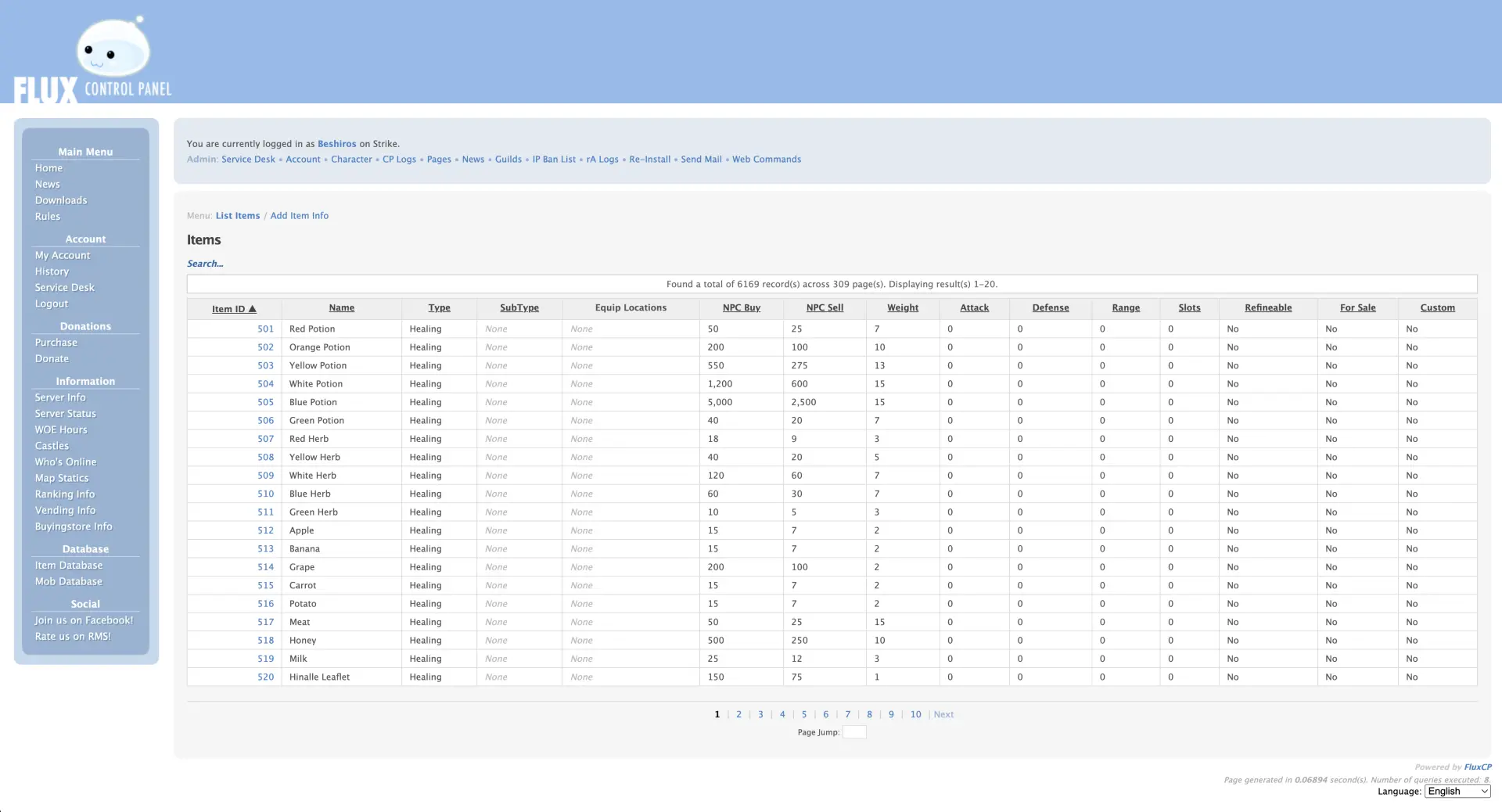
Today, rAthena gives operators a choice that matters to players who remember different eras of Ragnarok. A server can use the pre-Renewal rules or the revised mechanics introduced with Renewal, including changes to how attacks, defence and casting time are calculated. Two players can recognise the same town and equip the same weapon, yet find that a familiar character build plays differently depending on which rules the operator chose. Operators can also change experience rates, edit monster drops and write NPC scripts. An optional web control panel called FluxCP handles another part of running the service, giving players a place to register and administrators a way to manage accounts and respond to support requests.
From Gravity’s Client to the Browser
Players could enter a community-run world using a modified copy of Gravity’s client. Compatible clients read a configuration file, commonly named clientinfo.xml or sclientinfo.xml, that specifies the address and port of the login server. Changing that destination directed the client to the community server, but the two still had to agree on the format of the messages they exchanged, which varied between client versions. Some mismatches became apparent only after a player had logged in and entered the world. If the server instructed the client to open an equipment window that version could not display, a player might speak to the appropriate NPC, see the dialogue close and wait for a window that never appeared.
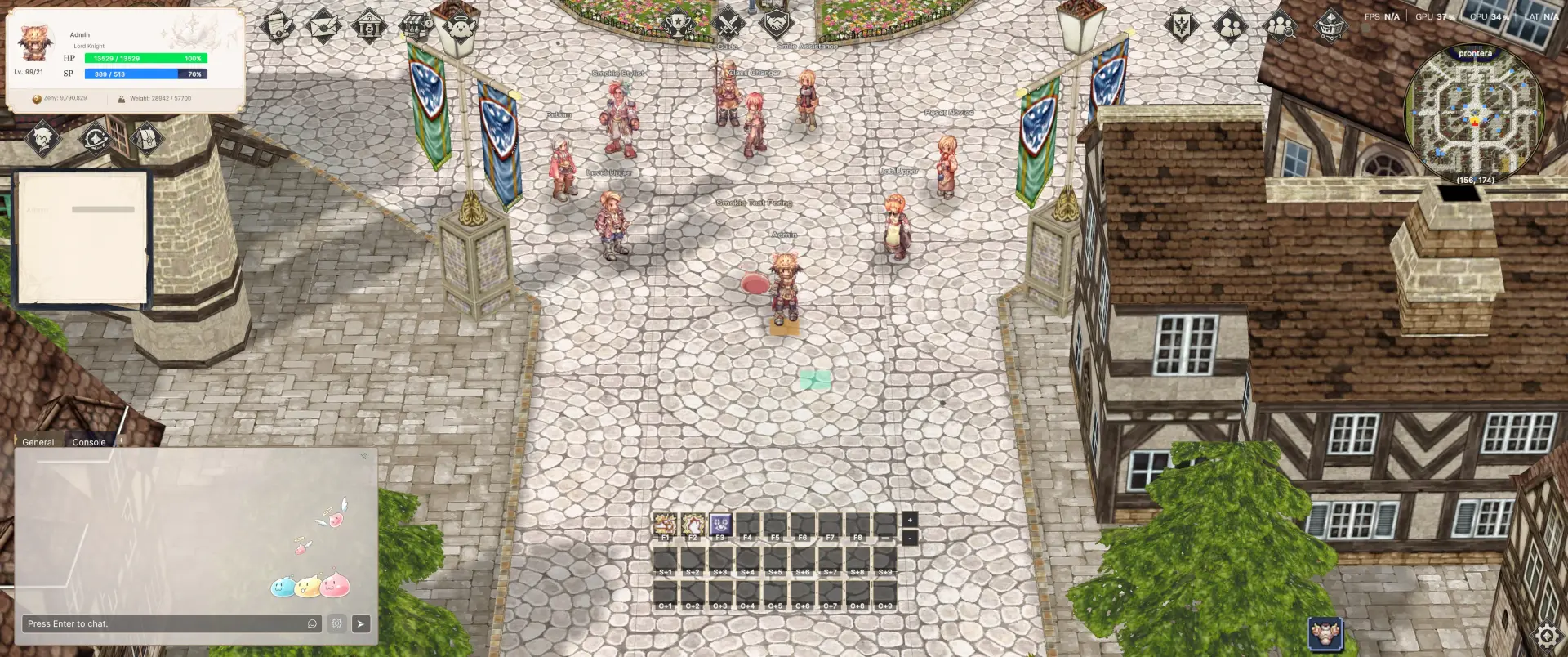
Building alternative clients gave developers control over how players experienced Midgard on their own machines. One developer demonstrated a Unity client that supported macOS and Linux and connected to an unmodified rAthena server. The creator reported being able to fight monsters, buy and sell equipment, and change jobs, while describing the work still involved in reproducing Ragnarok’s skill effects and designing its many interface windows.
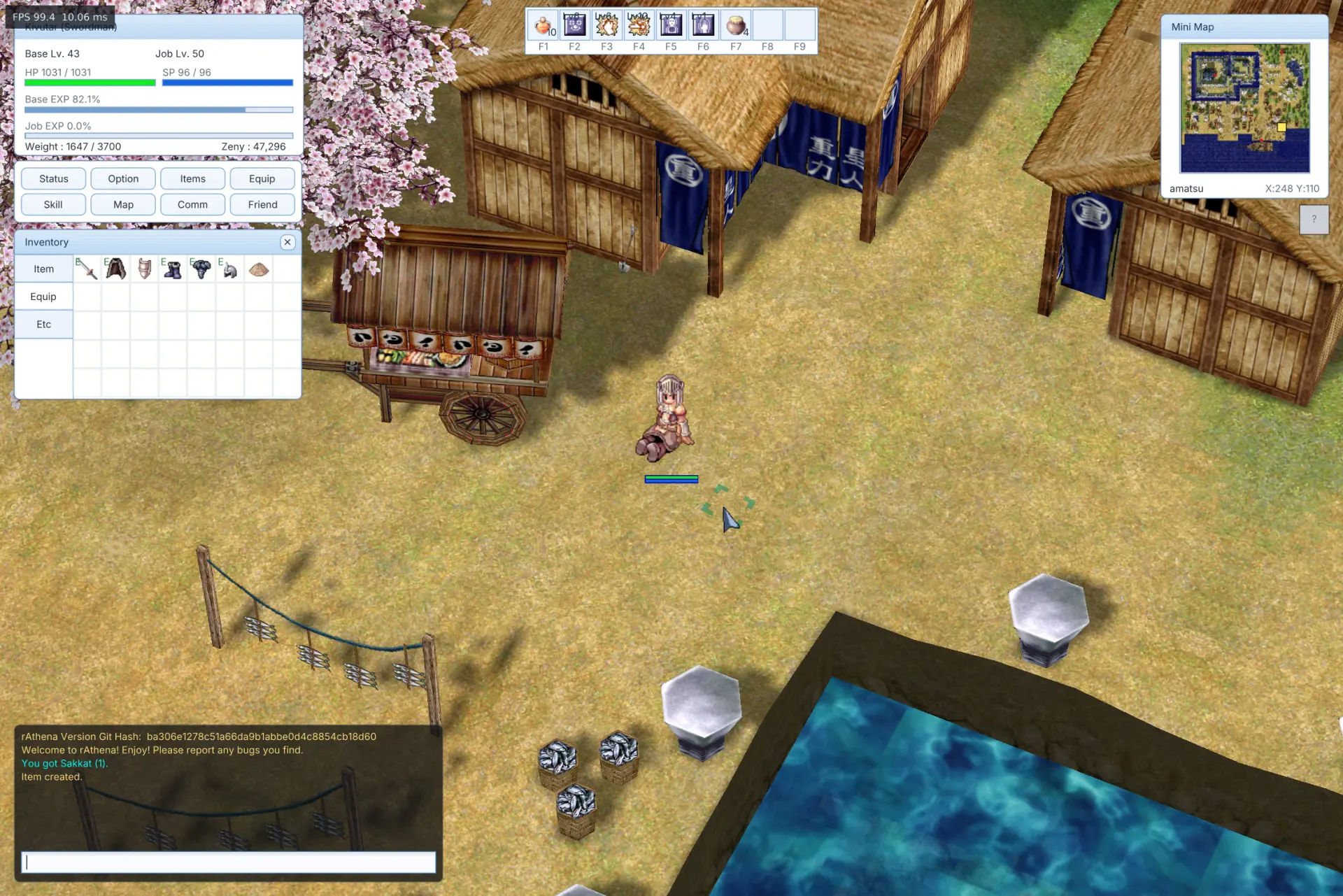
Other projects approach the client with different priorities. Korangar, written in Rust, introduces real-time lighting, a customisable interface and support for Windows, Linux and macOS, although its developers describe it as incomplete. goro recreates the client in Go, initially targeting the pre-Renewal experience of 2008 while adding modern graphics and optional keyboard and gamepad controls. nostalro-client focuses on recreating the classic 2004–2008 experience for nostalgic players. These projects illustrate how replacing the client can preserve familiar gameplay while giving developers control over its presentation, controls and platform support.
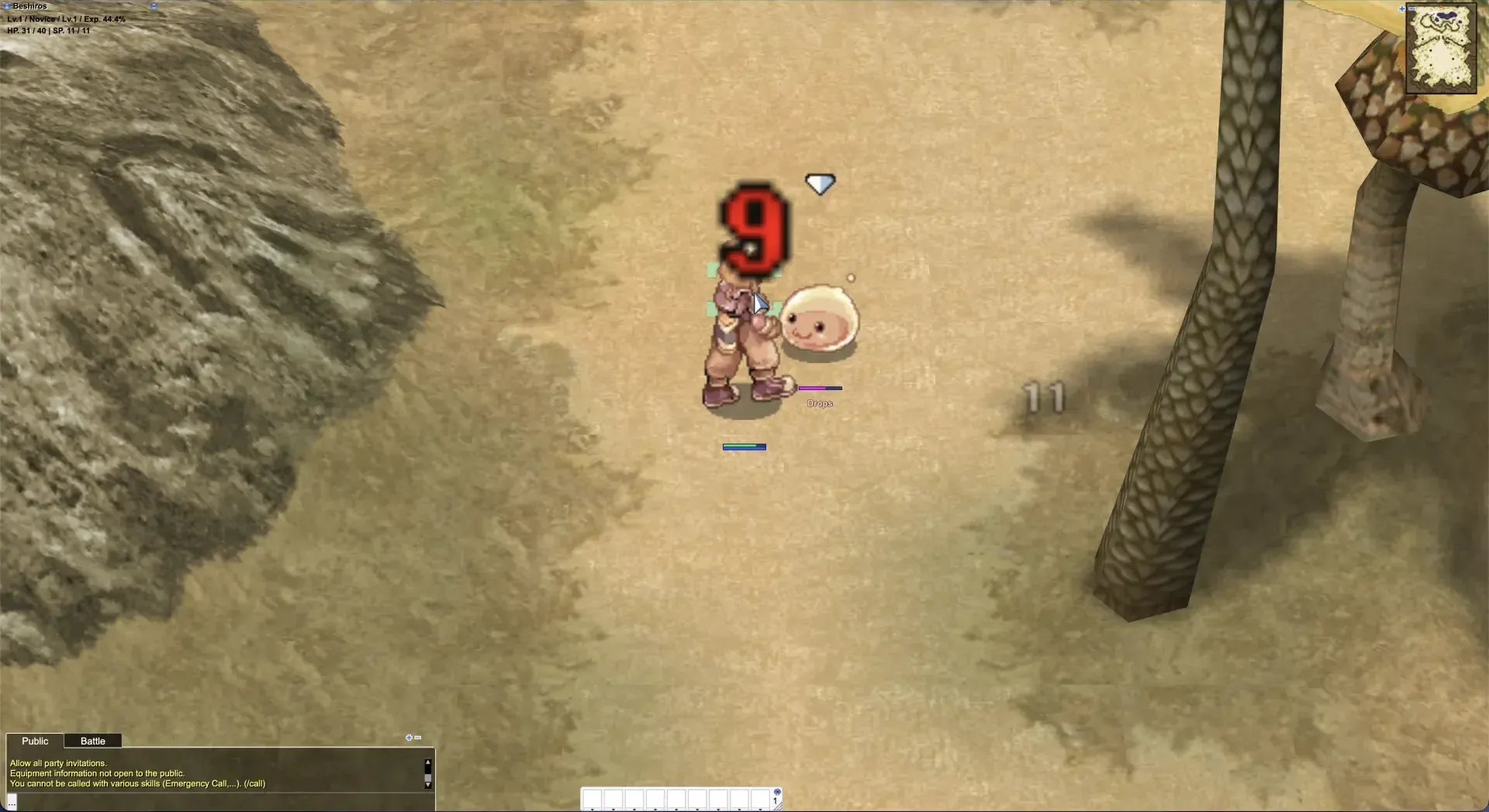
Most commonly found on private servers is roBrowserLegacy, which lets players join through a web browser without installing a separate desktop client. The browser downloads the code and game resources it needs, while the operator hosts those resources and provides the connection to the game server.
What Makes Midgard Recognisable?
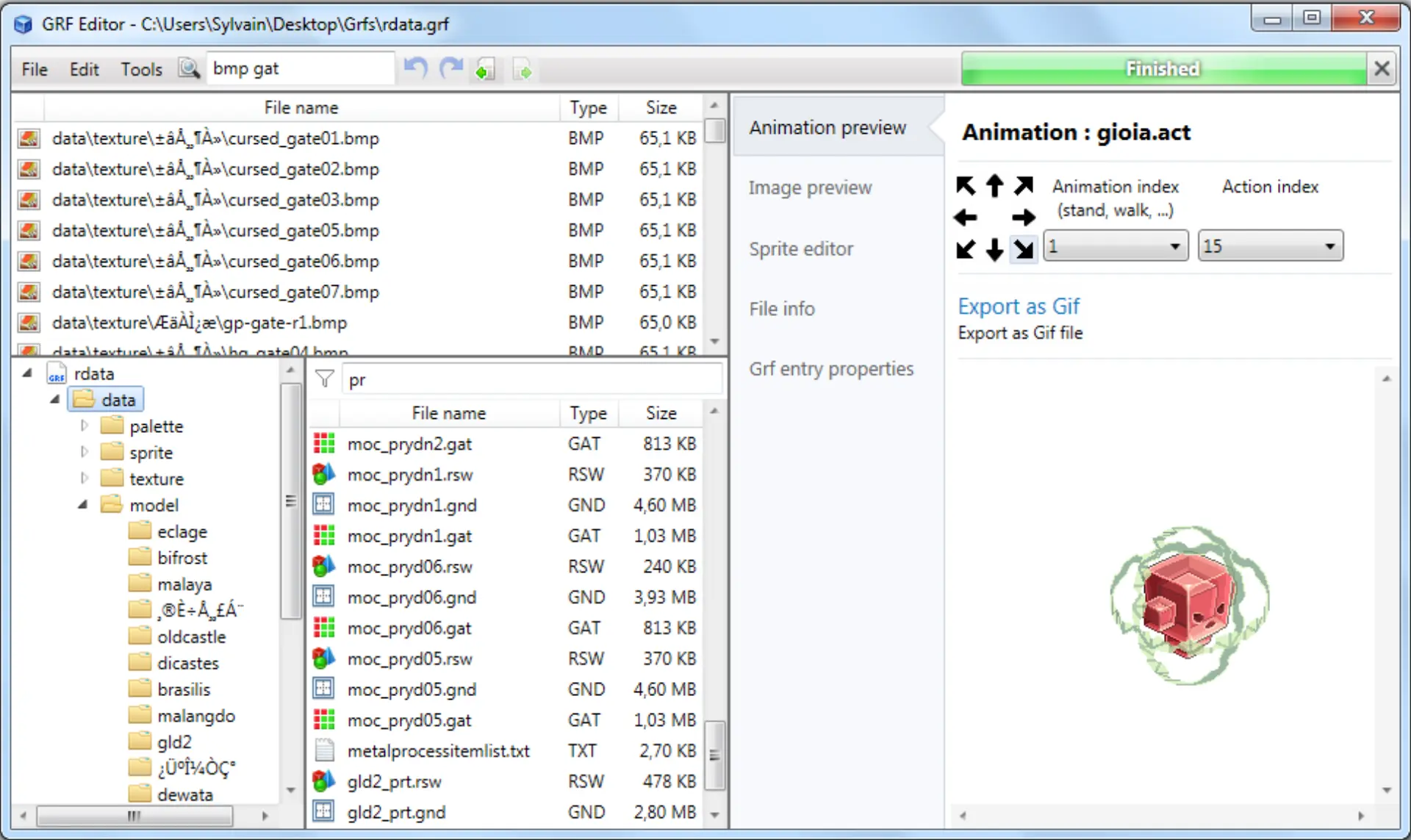
A replacement client still needs the maps, sprites and sounds that make Midgard recognisable. Projects such as Korangar ask users to supply GRF files from an existing Ragnarok installation. These archives hold resources the client reads when it draws a map or displays a monster. Depending on the project and the regional client, setup can involve locating compatible archives, applying patches or supplying translated files. A browser client can shift much of that work to the operator, making it easier for the next player to join. For the person building the environment, however, a running server and a working client can still fall short of a playable game if a required map or sprite is missing.
Changing those assets raises a creative question. How much of Midgard can developers replace before players begin to see a game with an identity of its own? The Mana World offers one answer, drawing on the eAthena server lineage to build an MMORPG with its own world and content. Other creators approach the question from the opposite direction. A familiar Ragnarok job, sprite and map can remain recognisable even when the player’s objective changes from developing a character over months to surviving a single wave of monsters. Control over both the server rules and the client gives creators room to decide which parts of Ragnarok they want players to recognise and which parts they want them to experience differently.
A New Generation of Ragnarok Creators
Ragnarok’s private servers have long given players a say in how Midgard works, from how quickly characters gain experience to what a monster drops when it dies. A newer wave of projects is changing how people enter that world and what they do once they get there. One developer has packaged a server and client into a desktop application for people who want a world of their own. Another has turned a visit to Prontera into the starting point for a cooperative survival game, while a third has built a browser game around familiar Ragnarok jobs and maps. All three creators describe using AI, but its role differs in each account. Together, their projects show where years of community engineering gave them a starting point, which decisions remained theirs and what they entrusted to coding tools.
RagnarokOffline.app Makes a Personal Midgard Easier to Run
A player who wants a Ragnarok world of their own would ordinarily have to configure a server, database and client before creating a character. RagnarokOffline.app brings those components into a desktop application, packaging rAthena and roBrowserLegacy around game assets supplied by the player. Its creator, Reddit user u/balthierwings, told us the project has also developed an active modding community, with more than 50 mods built in roughly two months. Players can discover and update mods inside the application, while the community’s Discord server gives them a place to discuss and contribute to that work.
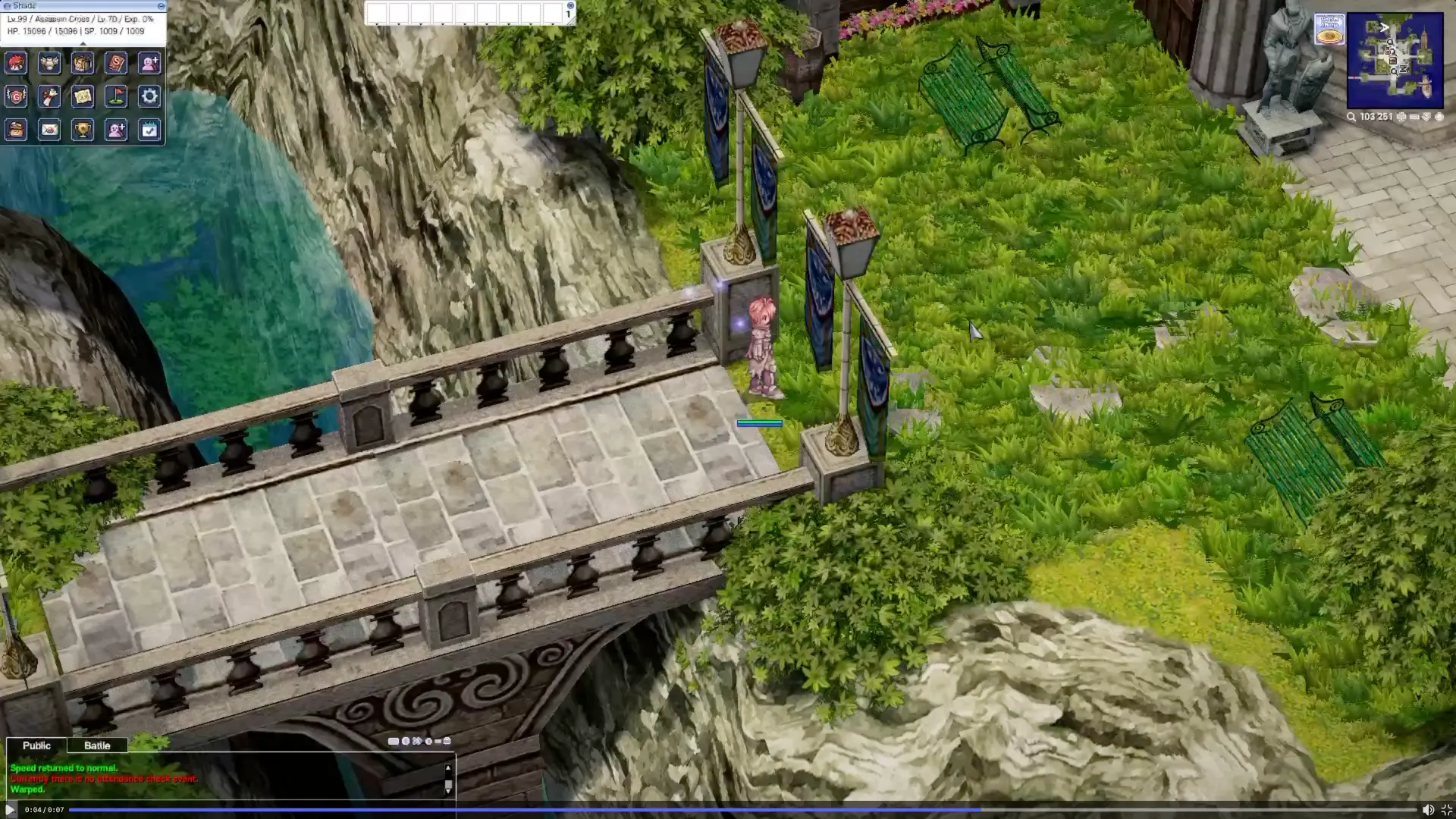
The application depends on an embeddable microVM runtime that runs its Linux server environment on the player’s computer. Balthier Wings told us he built that precursor project alone in around a month using Claude and Codex, work he believes would previously have required him to lead a team of experienced infrastructure engineers. AI also helped him investigate failures reported by users with AMD processors, which he traced to differences in virtual machine timer behaviour between AMD and Intel systems. With a background in product development and web infrastructure, he described this as unfamiliar territory despite 20 years of programming experience. “Without AI, I wouldn't have been able to find, diagnose or fix those bugs,” he told us, making the runtime a concrete example of how the tools helped him work beyond his existing expertise.
Midgard Survivors Gives Prontera a New Role
On RO Classic Plus, an NPC called the Night Warden offers a different reason to visit Prontera. Speaking to him launches Midgard Survivors, a mode in which players move through waves of monsters while attacks fire automatically, building combinations of familiar Ragnarok skills as they progress. Its creator, Reddit user u/Reynbou, told us the server also includes custom dungeons inspired by World of Warcraft and other customisations.
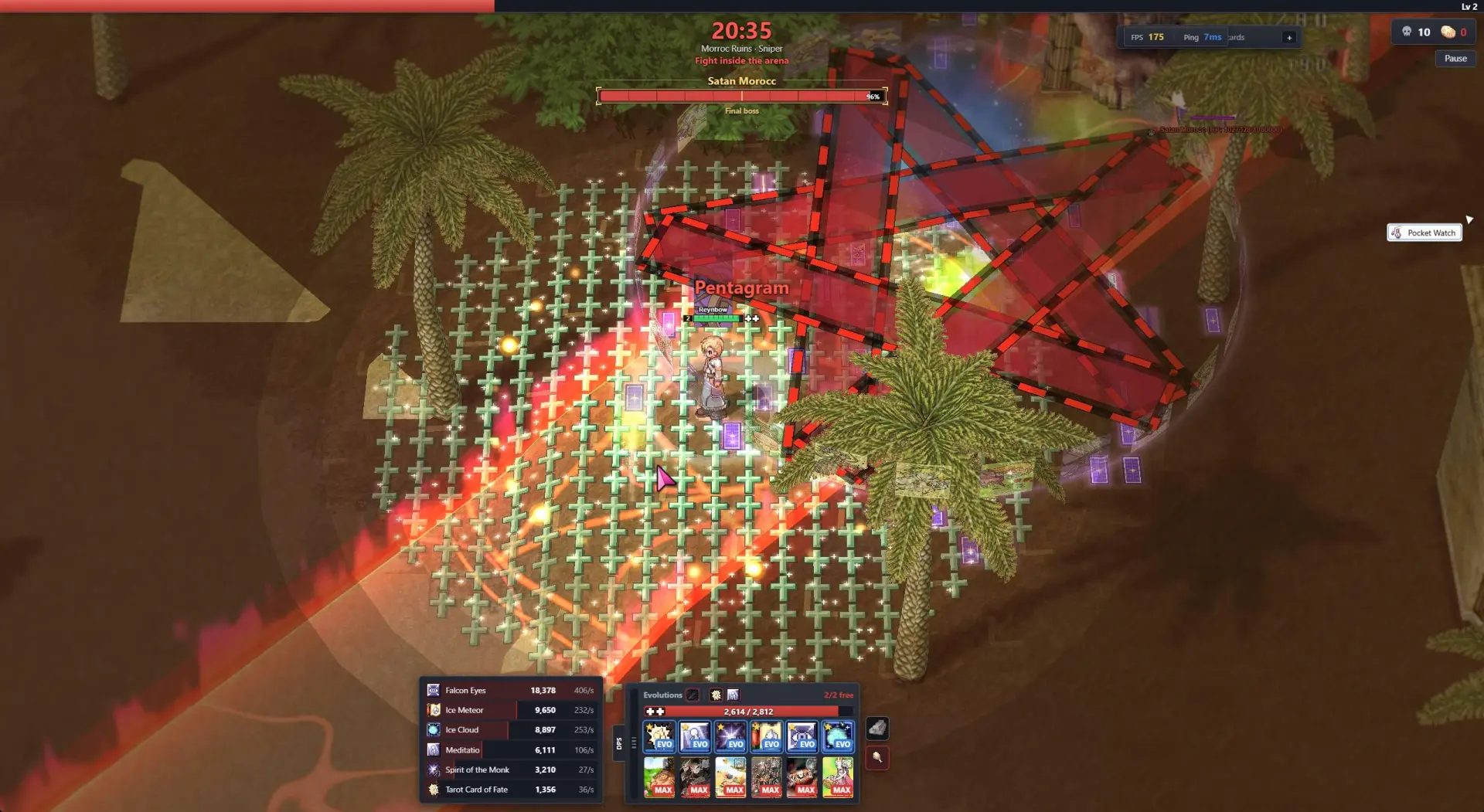
In his announcement discussion, he explained that keeping the mode inside Ragnarok was a deliberate choice: players could still meet in town before heading out, preserving Prontera’s role as a social gathering place.
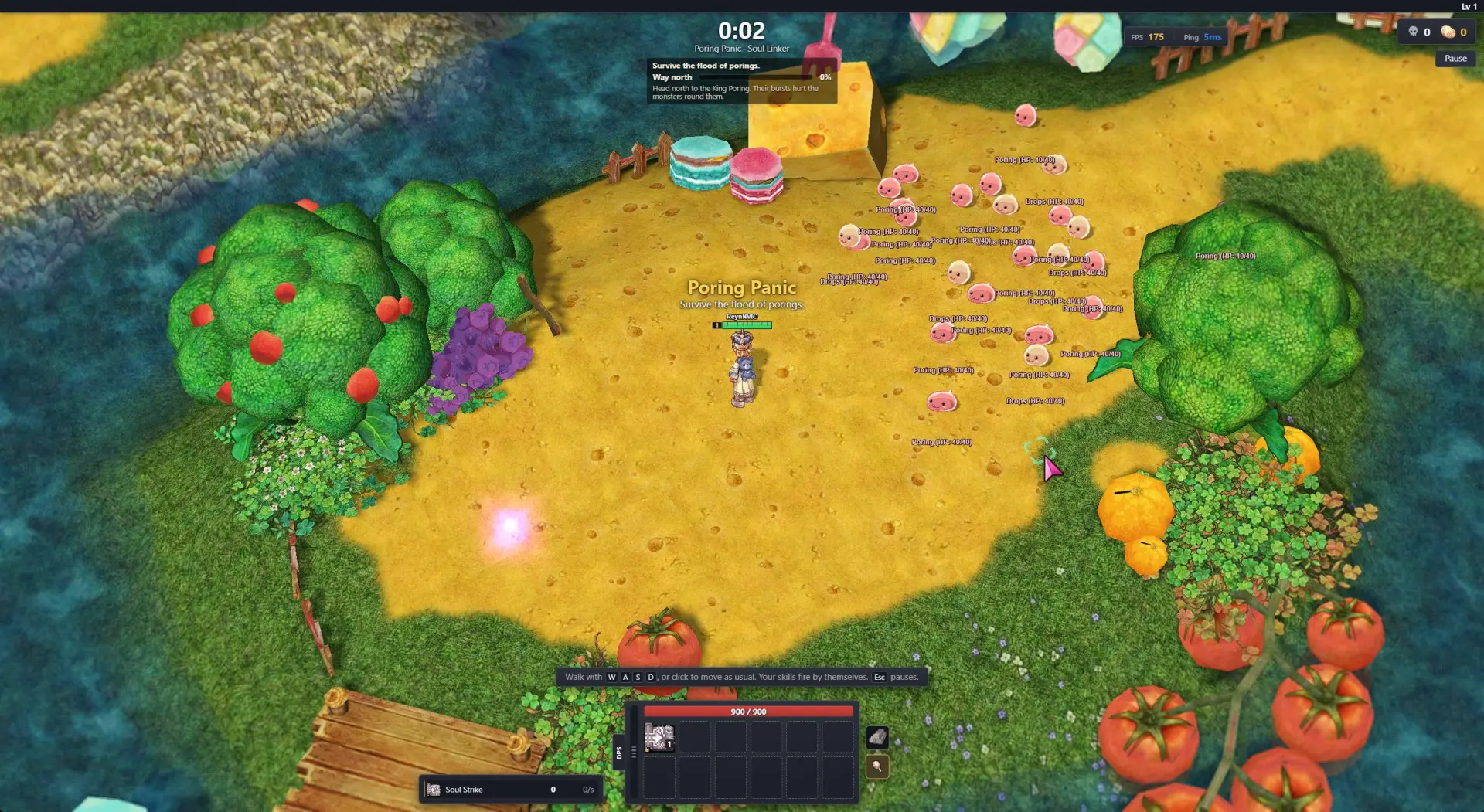
Reynbou told us his primary use of AI is finding bugs in work he has already written. He builds what he can, hands it over for checking, then reviews the suggested changes himself, repeating that exchange until he is satisfied. He remains reluctant to entrust an entire feature to AI, describing the process instead as working with a colleague who can help locate mistakes and overlooked interactions. The benefit becomes particularly apparent when a problem crosses files: AI reduces the time he spends searching through hundreds of them to understand how one part of the game affects another. His account places AI within an ongoing development process, with the creator reviewing its edits as carefully as it reviews his code.
RO Survivors Reworks Familiar Jobs for the Browser
RO Survivors came to the survival genre from a different starting point. Its creator, Reddit user u/reven4nt87, explained in his announcement discussion that it began as a personal local Ragnarok server before fan games such as Pokébonk and Azeroth Survivors inspired a change of direction. He told us he was building it for his own enjoyment, with friends later encouraging him to share it publicly. In this browser game, a player can take a Mage into Payon Cave and recognise the map, the monsters and the Fire Bolt spell. Skills fire on their own, and each level gives the player a choice of cards that can add a skill or improve one already in use. Across a run, the player decides how to survive the next wave using abilities they may have learned years earlier in a different kind of game.
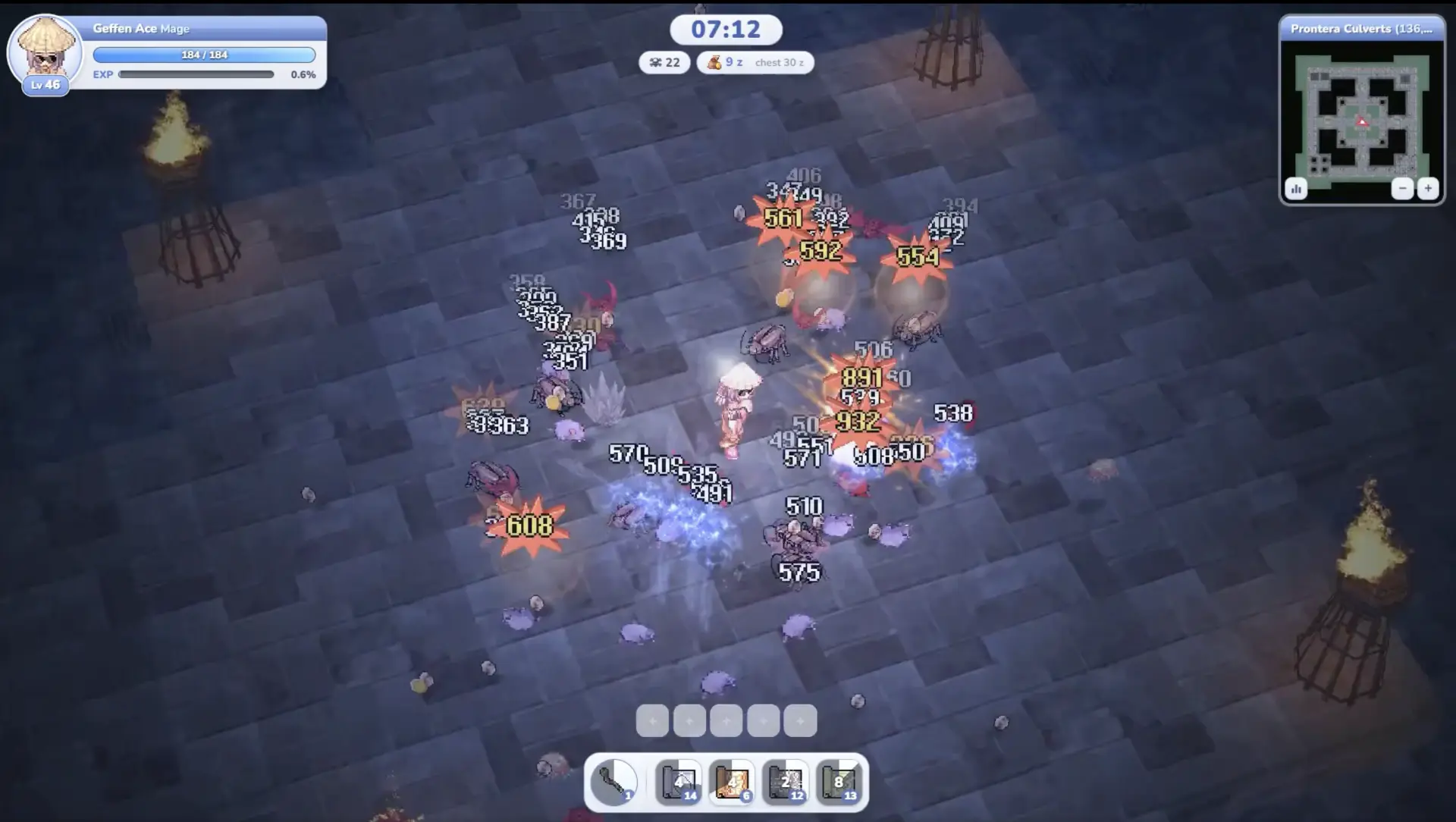
A programmer himself, reven4nt87 told us that doing the implementation work handled by Opus would have taken him months, if not years. The sprites, maps and sounds remain original Ragnarok assets, while he directs how classes play, how loot and progression work, and how the game feels in practice. “I play everything before it goes live, because the AI can’t tell if something is actually fun,” he explained. Player feedback also informs those decisions: in the announcement discussion, he responded to complaints about rain obscuring the action and requests for a health bar beneath the character. For him, AI reduces the implementation burden enough to give him more freedom to explore a design, while testing and refining the experience remain his responsibility.
Giving Ragnarok’s Creators a Chance
A creator who mentions using AI can see their project dismissed as “AI slop” before anyone has played it. In a discussion on r/SteamDeck, some commenters cared more about what happens after release: how an author responds to players, fixes a problem or builds on an idea. We’d give these Ragnarok creators a chance. They’ve given us new ways to play a familiar game, and we’re curious to see where they take those ideas with a little time and feedback.
Which of these projects have you tried? Anything other mods to suggest? Let us know in the comments. For a look at how testing shaped our own AI-assisted project, we’ve written about building TechnoQuiz in Beyond Vibe Coding.


